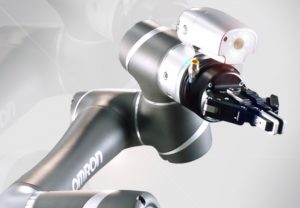
Cobot Overview
OMRON CollaborativeRobot Human and Machine in Perfect Harmony Facing These Production Challenges? Labor Shortages and High Turnover Rates Labor shortages and high turnover are critical

OMRON CollaborativeRobot Human and Machine in Perfect Harmony Facing These Production Challenges? Labor Shortages and High Turnover Rates Labor shortages and high turnover are critical
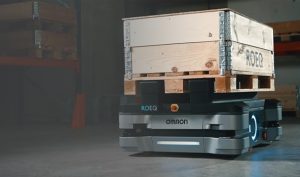
The OMRON MD series provides more options in moving more material The OMRON MD-650 offers a mid-range payload capacity of 650 kg. The medium-range payload capacity

Serving as a steadfast pillar in the electric vehicle manufacturing industry, we have the comprehensive experience needed to provide you with personalized solutions that optimize and automate your processes.

Medical Comprehensive solutions for medical industry. Fast, flexible, and tailored to your business. The Medical and Pharmaceutical industries are among the most heavily regulated industries
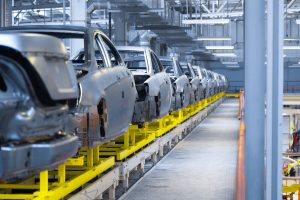
Environmental Mobility Comprehensive solutions for automotive industry. Fast, flexible, and tailored to your business. Strategies for successfully implementing flexible lines in Automotive Manufacturing. Fortunately, manufacturing
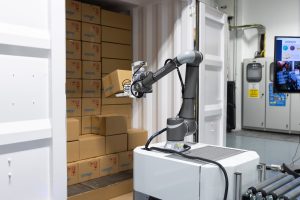
Logistics & Warehouse Automation Comprehensive solutions for logistics industry. Fast, flexible, and tailored to your business. The logistics industry involves consumer-related and operational challenges. Consumers’