
Industrial Automation


Features of i-BELT
Case Studies
Introduction Steps
The following is an example introduction process. Through workshops, we identify customer issues and propose a concrete implementation approach.
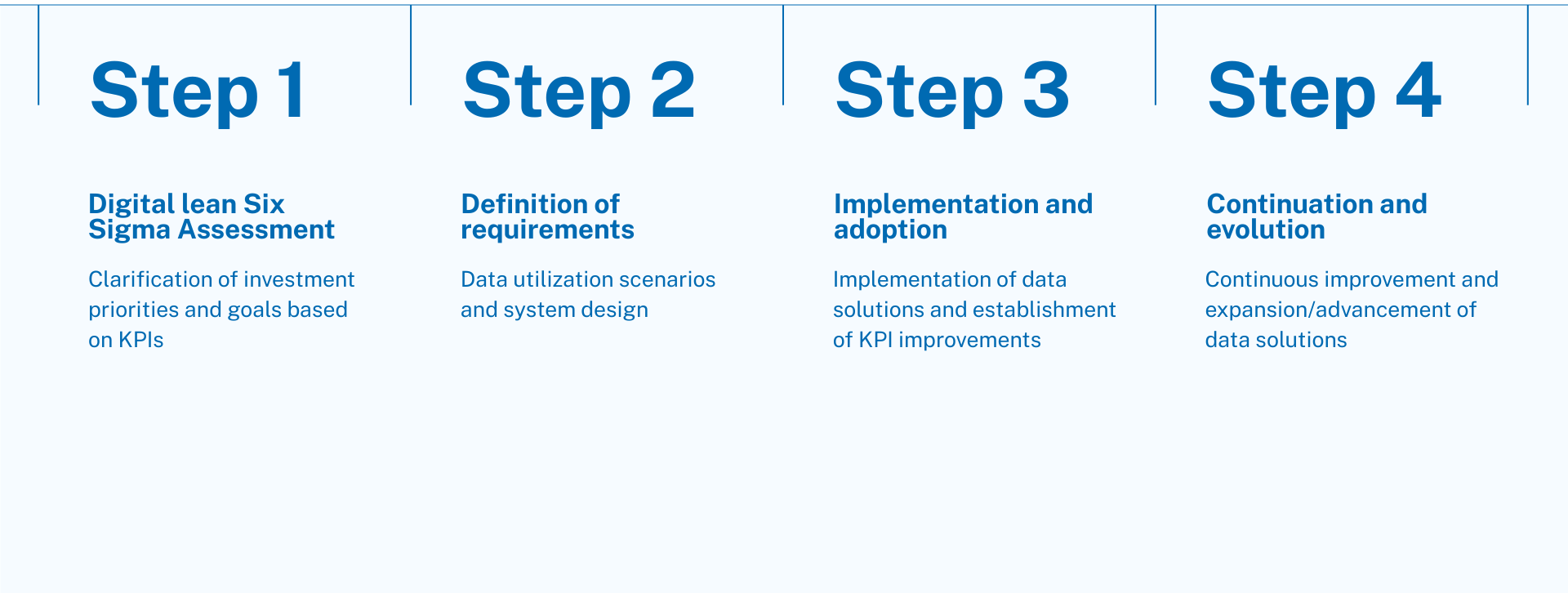
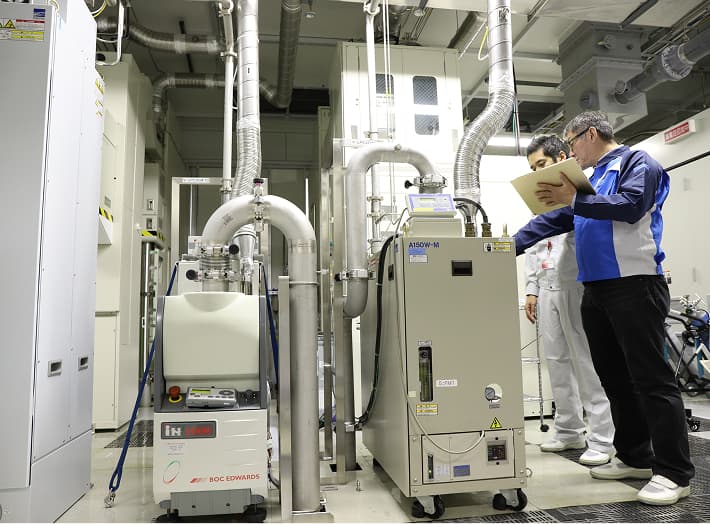
Clarifying investment priorities and goals based on KPIs
To achieve KGIs (Key Goal Indicators), our Digital Lean Six Sigma Consultants conduct a multifaceted analysis of the production site using globally recognized methodologies such as DMAIC, Value Stream Mapping (VSM), Root Cause Analysis, and Process Capability Analysis to clearly identify challenges and bottlenecks. By combining Omron’s accumulated know-how and technology for on-site improvement with the expertise of our partner companies, we quantitatively grasp the current state of equipment, processes, and operations.
We identify the KPIs (Key Performance Indicators for KGI Achievement) necessary to achieve the KGI, and by articulating the gap between the current situation and the ideal state, we build a scenario that serves as the basis for investment decisions, leading to the next step of defining system requirements.
Target state
1. Smart Factory Consulting
We break down KGIs into KPIs, defining the issues that need to be addressed and the basis for investment decisions.
2. Field Interview Workshop
We will identify operational challenges from both the IT and OT perspectives and specify the investment targets.
3. Gap analysis between the current situation and the ideal state
We assess and quantify the performance gap between the current situation and the ideal state, and identify the true challenges and bottlenecks.
4. KPI Improvement Roadmap Development
We will prioritize improvement initiatives based on ROI and develop an action plan to improve KPIs.
5. Defining an improvement scenario
Define improvement scenarios (including solutions) for resolving the problem.
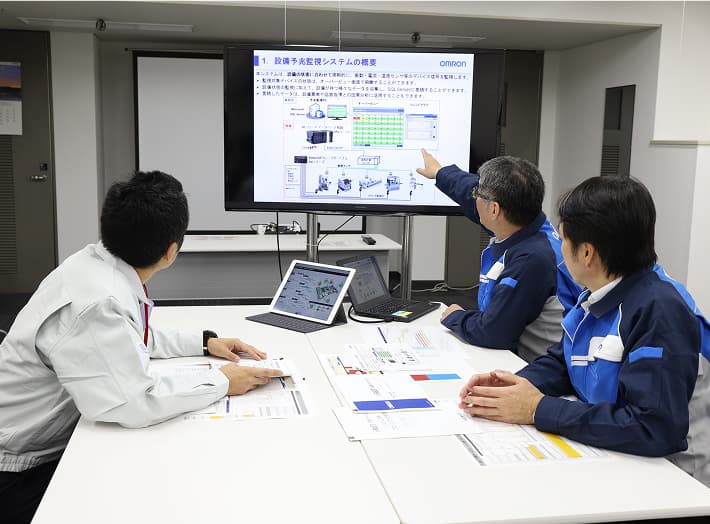
Data utilization strategy and system design
Design specific solutions to realize the improvement scenarios required to close the KPI gaps identified in Step 1. Centered on i-BELT Hub, a data utilization platform that integrates IT and OT, we define an optimal system architecture that links real-time on-site data with management indicators.
Target state
1. IT-OT architecture design
Organize the overall architecture required to integrate field equipment and IT systems and enable data utilization.
2. i-BELT Hub system design and definition of requirements
Define the configuration, required functions, and data integration requirements of i-BELT Hub.
3. Interface design
Define connection methods and data integration approaches with existing equipment and higher-level systems.
4. Application specification design
Define application specifications required to achieve KPI targets.
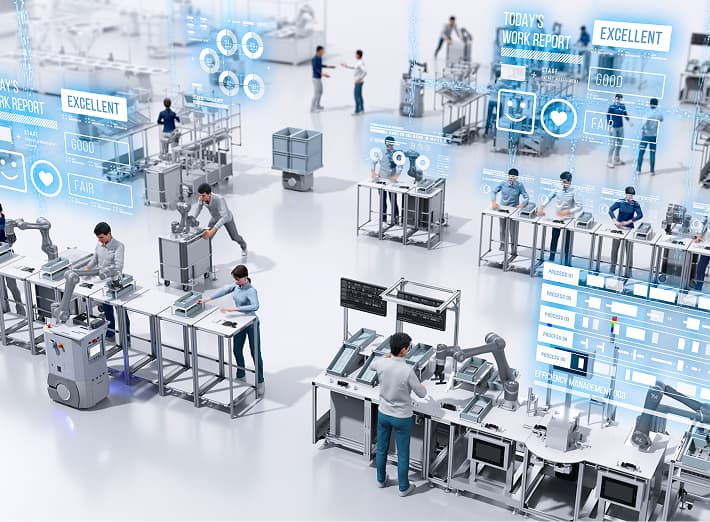
Implementation of data solutions and achieving sustainable KPI improvements
The solutions designed in Step 2 are implemented in the field, and implementation of the improvement scenarios defined in Step 1 begins. In addition to system introduction, we establish sustainable operating practices that enable field personnel to autonomously execute the PDCA cycle. Through optimization of field operations, we create measurable business improvement experiences and ensure that the framework becomes firmly established.
Target state
1. Implementation of systems including data collection devices
Build an environment where on-site data can be collected and utilized.
2. Implementation of i-BELT Hub and issue-resolution applications
Enable operations that leverage data to improve KPIs.
3. Operational process design
Establish operating rules and improvement processes that enable field personnel to autonomously implement the PDCA cycle.
4. Field utilization support workshops
Support field adoption and self-sustaining operation through training and improvement workshops.
5. Report verifying implementation effectiveness
Quantitatively verify actuals by reporting KPI improvement achievements.
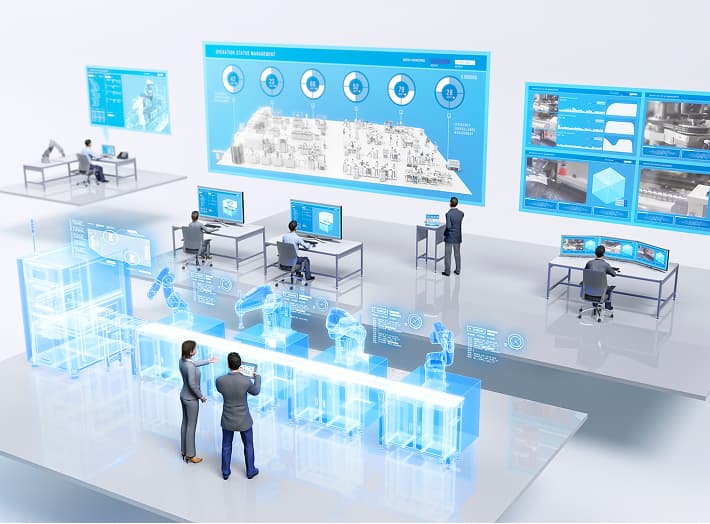
Continuous improvement and expansion/advancement of data solutions
The results demonstrated in Step 3 are replicated across multiple production lines and manufacturing sites rather than remaining one-time achievements. Leveraging the scalability of i-BELT Hub (including container technologies), applications can be flexibly added to address new challenges. Site KPIs are reconnected to KGIs, enabling enterprise-wide data integration and management. Build resilient, data-driven manufacturing operations that continuously evolve and respond rapidly to market changes.
Target state
1. Continuous updates and support for i-BELT Hub
Through continuous operational support, we promote long-term data utilization.
2. Providing a dashboard for management
We visualize KPIs for the entire factory/site to support rapid decision-making.
3. Support for systematizing and standardizing improvement processes
We combine data and human expertise to establish and standardize improvement activities as a system.
4. Engineering support
We support continuous operation and advancement from both IT and OT perspectives.
5. Support for additional application deployment implementation effectiveness
It is possible to flexibly add necessary applications in response to changes in the market and on-site challenges.
i-BELT Data Solutions that Bridge Management Decisions and On-Site Improvements
Use Cases: Bridging Management Decisions with Shop Floor Improvements
Have Questions About OMRON i-BELT?
| Cookie | Duration | Description |
|---|---|---|
| cookielawinfo-checbox-analytics | 11 months | This cookie is set by GDPR Cookie Consent plugin. The cookie is used to store the user consent for the cookies in the category "Analytics". |
| cookielawinfo-checbox-functional | 11 months | The cookie is set by GDPR cookie consent to record the user consent for the cookies in the category "Functional". |
| cookielawinfo-checbox-others | 11 months | This cookie is set by GDPR Cookie Consent plugin. The cookie is used to store the user consent for the cookies in the category "Other. |
| cookielawinfo-checkbox-necessary | 11 months | This cookie is set by GDPR Cookie Consent plugin. The cookies is used to store the user consent for the cookies in the category "Necessary". |
| cookielawinfo-checkbox-performance | 11 months | This cookie is set by GDPR Cookie Consent plugin. The cookie is used to store the user consent for the cookies in the category "Performance". |
| viewed_cookie_policy | 11 months | The cookie is set by the GDPR Cookie Consent plugin and is used to store whether or not user has consented to the use of cookies. It does not store any personal data. |